
Healthy Snacks & Main Dishes
Explore our comprehensive collection of nutritious recipes designed for busy lifestyles. From quick snacks to satisfying main courses, discover how simple ingredients create delicious, balanced meals.
The information on this site is for educational purposes only and does not constitute medical advice. Always consult a qualified healthcare professional before making health decisions.
Filter by Category
Featured Recipes & Dishes
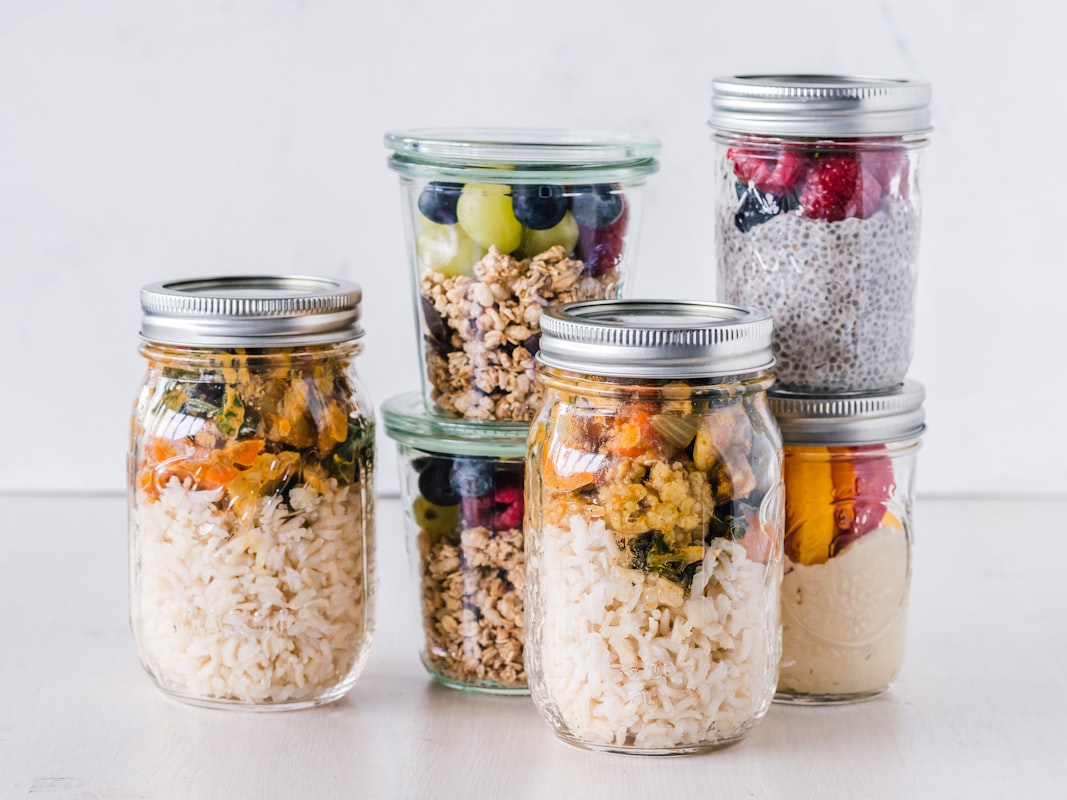
Mediterranean Grain Bowl
A vibrant combination of quinoa, roasted vegetables, chickpeas, and tahini dressing. Rich in fiber and plant-based protein, this bowl delivers sustained energy throughout your day. Perfect for meal prep or quick lunch solutions.
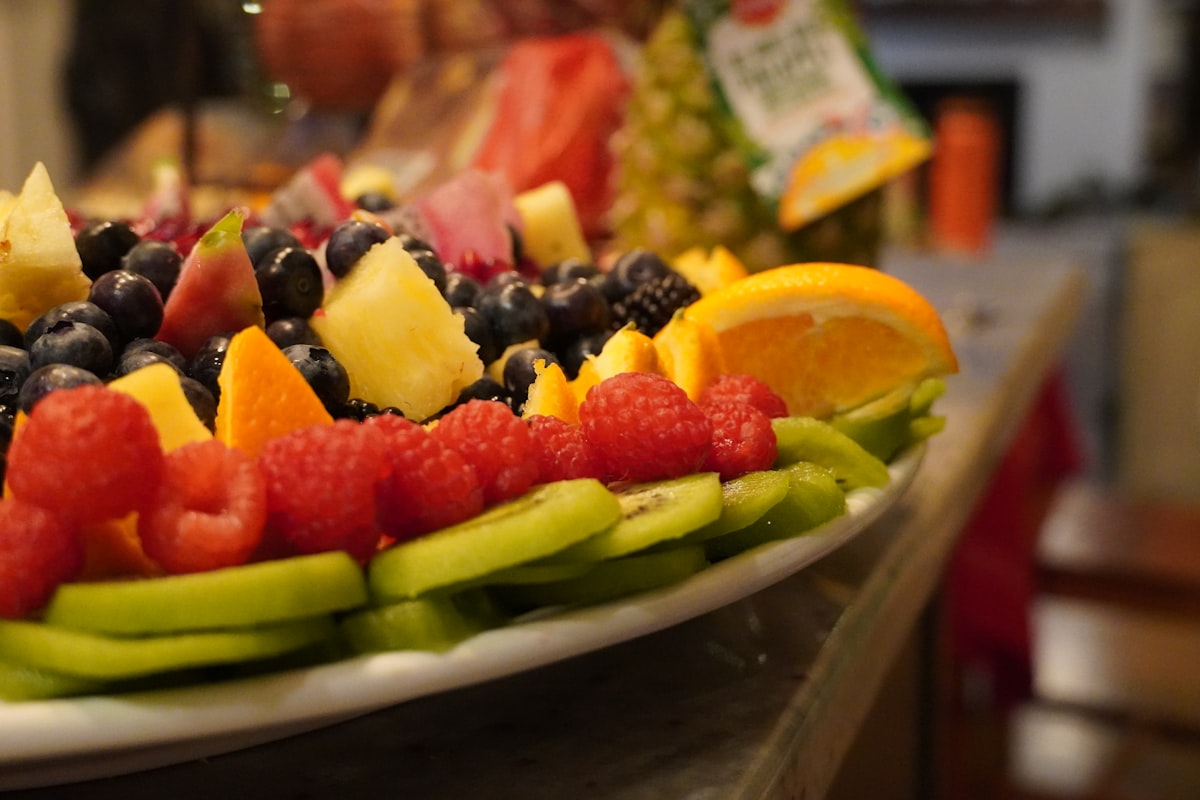
Energy Balls with Nuts & Dates
No-bake snacks made with almonds, walnuts, dates, and a hint of cinnamon. These bite-sized powerhouses provide natural sugars and healthy fats for sustained energy without the afternoon crash. Ideal for office snacking or pre-workout fuel.
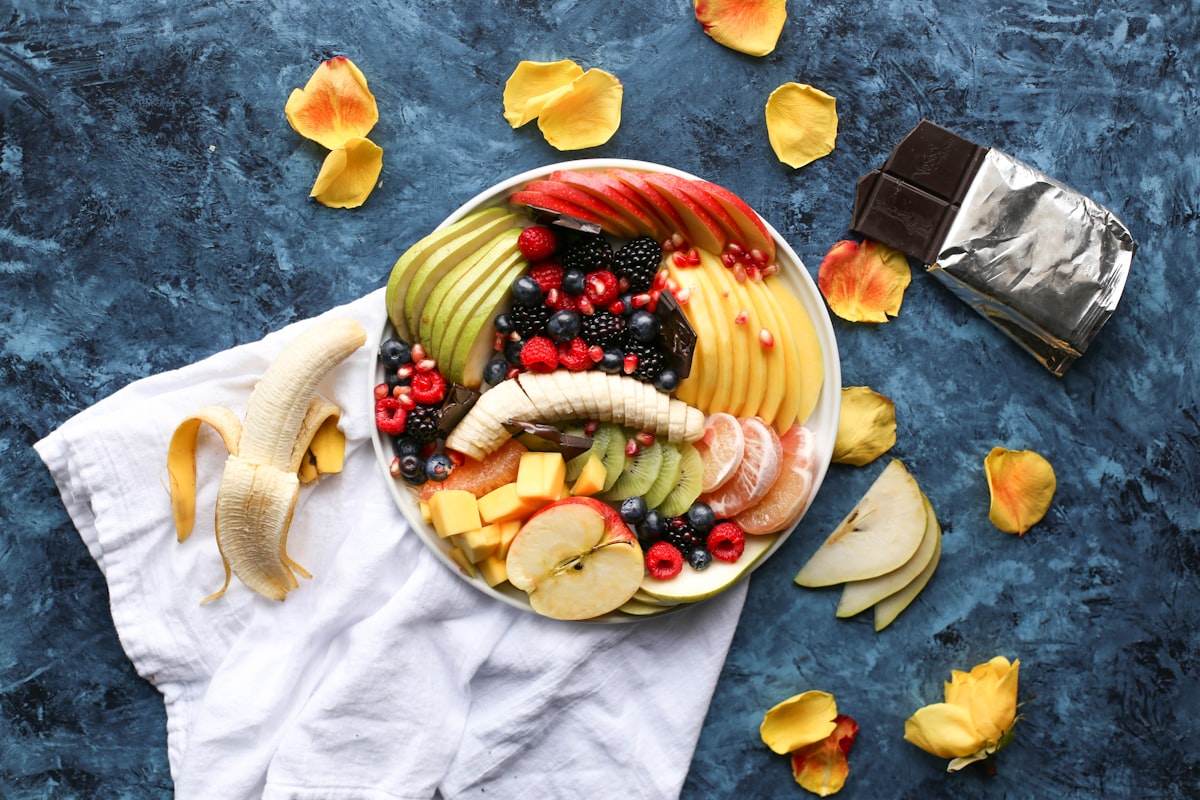
Pan-Seared Fish with Herb Sauce
A simple yet elegant dish featuring omega-3 rich fish, fresh herbs, and a light lemon-butter sauce. Pairs beautifully with steamed vegetables or a garden salad. Ready in under 20 minutes, making it perfect for weeknight dinners.
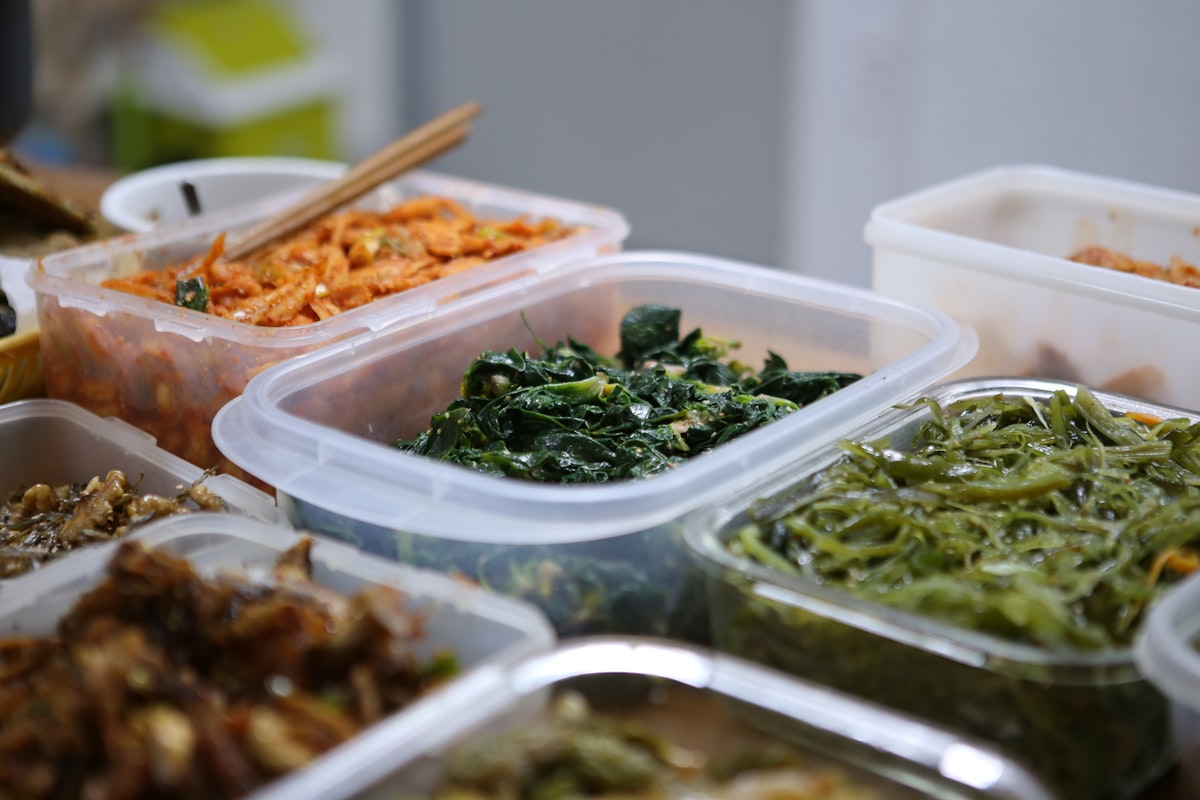
Rainbow Buddha Bowl
Colorful layers of leafy greens, roasted sweet potato, purple cabbage, edamame, and avocado topped with tahini dressing. Each ingredient brings its own nutritional profile for a truly complete meal. Visually stunning and deeply satisfying.
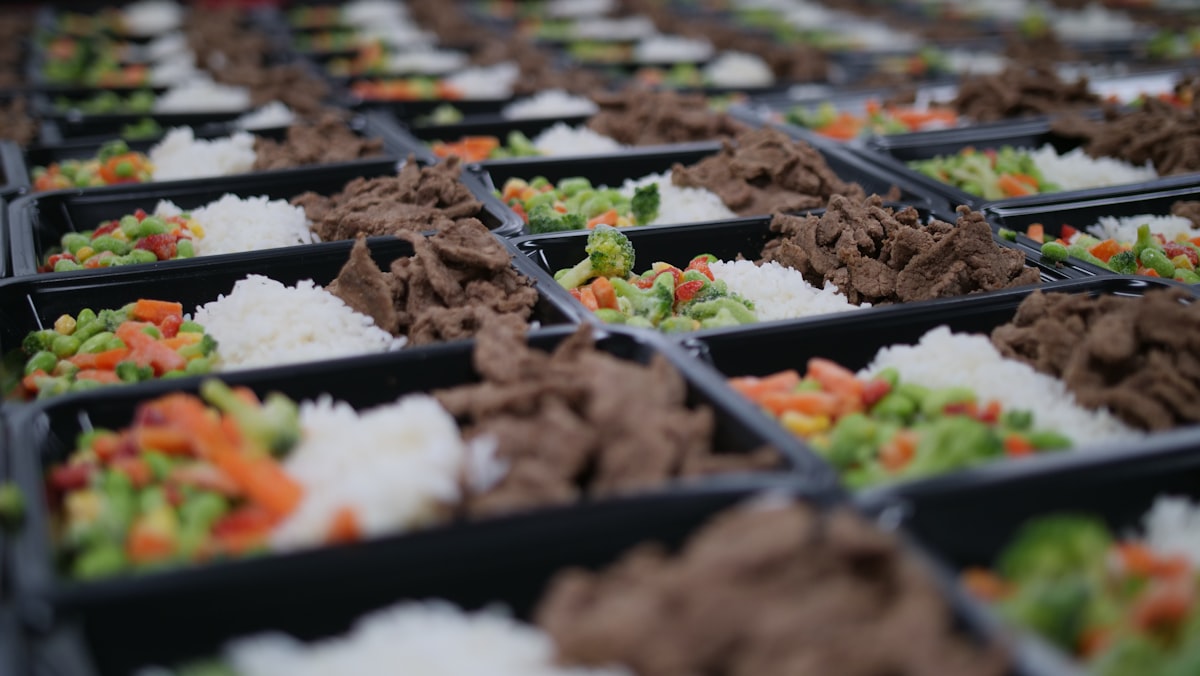
Protein Smoothie Bowl
Creamy blended base of Greek yogurt, berries, and almond milk, topped with granola, fresh fruit, and coconut flakes. High in protein and probiotics, this bowl makes an excellent breakfast or post-workout recovery snack that tastes like dessert.
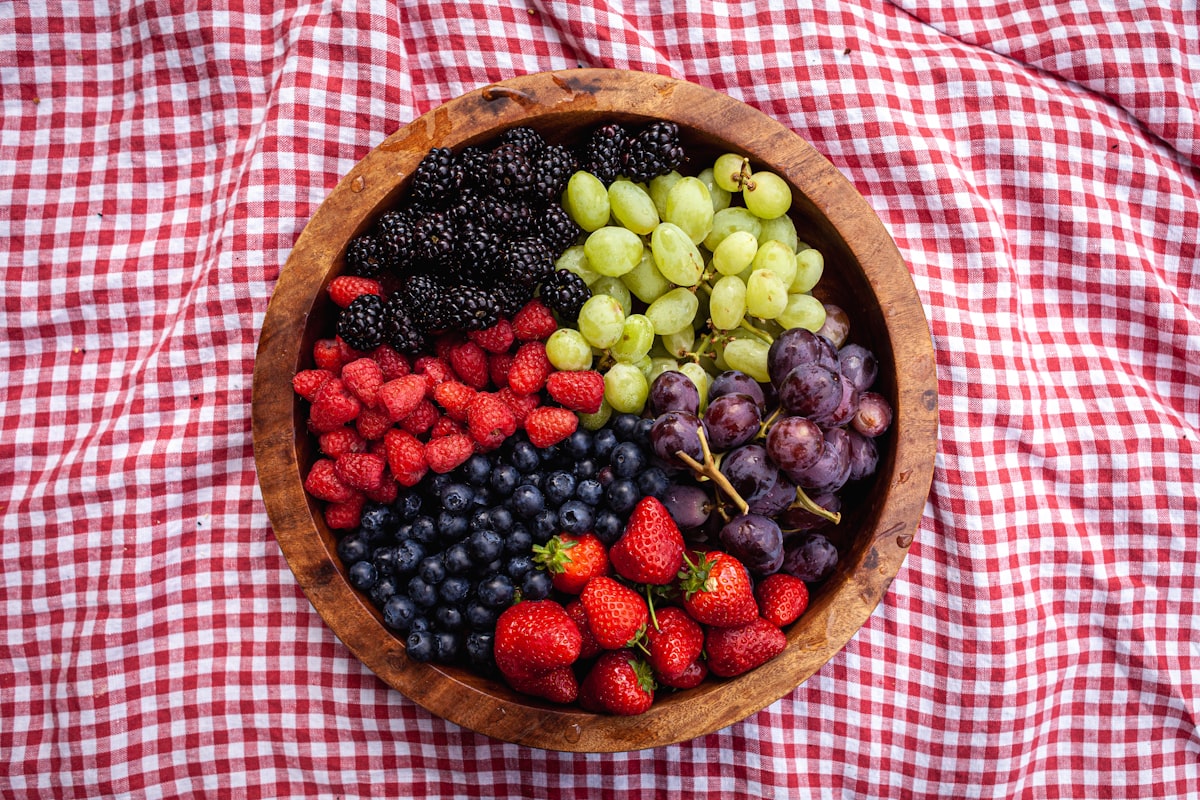
Marinated Chicken Skewers with Vegetables
Lean chicken breast marinated in Mediterranean herbs and lemon, threaded with colorful bell peppers and red onions. Grilled to perfection, these skewers are crowd-pleasers that deliver lean protein and vibrant vegetables in every bite. Great for entertaining or meal planning.
Why Our Recipes Work
Ingredient-Focused Design
Each recipe prioritizes whole, recognizable ingredients without artificial additives. We focus on seasonal produce, quality proteins, and healthy fats that work together to support your body's natural energy and satiety systems. Our approach emphasizes food as nourishment rather than restriction.
Time-Efficient Preparation
Most recipes are designed for busy professionals and families. We've streamlined techniques and organized ingredient lists to minimize prep time without compromising nutritional value or flavor. Many meals come together in 30 minutes or less.
Practical Cooking Methods
We focus on cooking techniques that preserve nutrients and enhance flavor—pan-searing, steaming, roasting, and raw preparation. No complicated equipment required. These methods work in any home kitchen and build practical cooking confidence.
What Makes Recipes Truly Healthy
- Balance of macronutrients: Every recipe combines protein, healthy fats, and complex carbohydrates to support sustained energy and satisfaction throughout the day.
- Fiber content: Whole grains, legumes, and vegetables provide soluble and insoluble fiber for digestive support and stable blood sugar.
- Micronutrient density: We prioritize foods rich in vitamins, minerals, and antioxidants to support overall wellness from within.
- Flavor and enjoyment: Healthy eating is sustainable only when food tastes delicious. Our recipes never sacrifice taste for nutrition.
- Individual adaptation: Most recipes include notes on substitutions and variations to accommodate different preferences and situations.
How to Build a Balanced Plate
Choose Your Protein Base
Start with a quality protein source: lean poultry, fish, legumes, tofu, Greek yogurt, or eggs. Aim for a palm-sized portion (about 25-30g of protein). Protein provides amino acids your body needs and creates lasting satisfaction, helping prevent overeating later.
Add Colorful Vegetables
Fill half your plate with vegetables—the more colors, the more antioxidants. Include leafy greens for minerals, cruciferous vegetables for phytonutrients, and orange vegetables for beta-carotene. Raw, steamed, roasted, or sautéed—variety keeps meals interesting and nutrients diverse.
Include Whole Grains
Add a portion of whole grains: quinoa, brown rice, oats, farro, or sweet potato. These provide fiber, B vitamins, and sustained energy. A closed-fist portion is typically adequate. The whole grain retains its bran and germ, delivering more nutrition than refined versions.
Finish with Healthy Fats
Don't forget healthy fats: olive oil, avocado, nuts, seeds, or fatty fish. A thumb-sized portion is usually enough. These fats support hormone balance, nutrient absorption, and brain function. They also enhance satiety and make meals taste more enjoyable. Balance comes from using natural fat sources in reasonable amounts rather than avoiding fats entirely.
Frequently Asked Questions
Are these recipes suitable for beginners in cooking?
Absolutely. We've designed recipes with all skill levels in mind. Each recipe includes step-by-step instructions and explains techniques as we go. Most ingredients are readily available at standard grocery stores. We also suggest variations and shortcuts wherever possible. Cooking is a skill that develops with practice, and these recipes are structured to build confidence gradually.
Can I prepare these meals in advance?
Most recipes are excellent for meal prep. We often include notes on which components can be prepared 2-3 days ahead and stored in containers. Grains and roasted vegetables keep well, proteins can be cooked in batches, and dressings stay fresh in the fridge. Assembly often happens on the day of eating to maintain optimal freshness and texture.
What if I have food preferences or avoidances?
Most recipes include suggestions for substitutions. Don't like a particular ingredient? We explain what role it plays and suggest alternatives that provide similar nutritional benefits. Whether you're vegetarian, prefer certain cuisines, or simply dislike specific foods, you'll find ways to adapt our recipes to suit your preferences while maintaining nutritional balance.
How do portion sizes work with my lifestyle?
Portion recommendations in our recipes are general guidelines. Your actual needs depend on factors like activity level, body composition, and personal goals. We focus on creating balanced meals—if a portion feels too large or small, adjust while maintaining that balance. Listen to your body's hunger and fullness cues rather than following rigid portion rules.
How do you choose which recipes to feature?
Our editorial team selects recipes that deliver practical value, use quality whole ingredients, and showcase various cooking techniques. We prioritize recipes that work for busy lifestyles without requiring specialty equipment. Seasonal availability, nutritional diversity, and genuine deliciousness are always criteria. We test recipes thoroughly before publishing.
Can I get personalized meal planning advice?
For specific questions about how to adapt recipes or structure your meals around your unique situation, we welcome your feedback and questions. Reach out through our contact page to discuss your needs. Our editorial team can provide guidance on recipe selection and combination strategies based on the content we publish.
What Our Readers Say
These recipes have transformed my relationship with cooking. I used to feel overwhelmed in the kitchen, but the clear instructions and ingredient lists make everything approachable. Now I'm confidently preparing healthy meals for my family during the week. The flavors are genuinely delicious—not boring or restrictive.
Sarah M., Cologne
What I appreciate most is that these aren't complicated, fancy recipes. They use ingredients I can actually find at my local market and techniques that don't require hours in the kitchen. I've been meal prepping for three months now, and I finally feel like I have a sustainable approach rather than another diet.
Michael K., Berlin
I started with the snack recipes because I was always reaching for processed foods. Now I have healthy options ready when I need energy. The explanations about why ingredients matter have helped me understand balanced nutrition beyond just following recipes. I feel more informed about my food choices.
Petra L., Munich
Explore More Articles & Recipes
Dive deeper into topics like meal planning strategies, understanding nutrition labels, kitchen equipment recommendations, and seasonal ingredient guides. Our editorial content helps you build real cooking and eating skills.